ALPHABETICA is joining UNESCO’s Culture and Arts Education Week
NewsCulture and arts education play a vital role in building inclusive, peaceful, and sustainable societies. UNESCO´s week highlights the power of culture and the arts to inspire creativity, foster empathy, and support lifelong learning. At ALPHABETICA, we have compiled some of the most inspiring moments from our research work and the implementation of our pilot actions with children, families, educators, and artists for this Culture and Arts Education Week. Discover our stories.
Story 1:
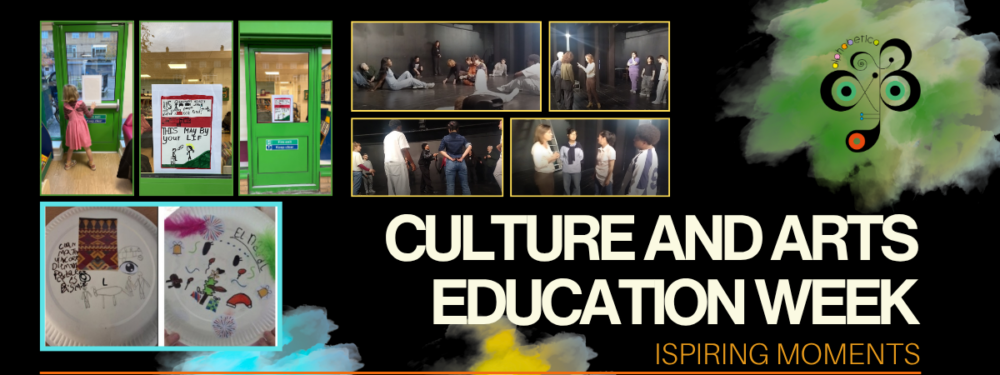
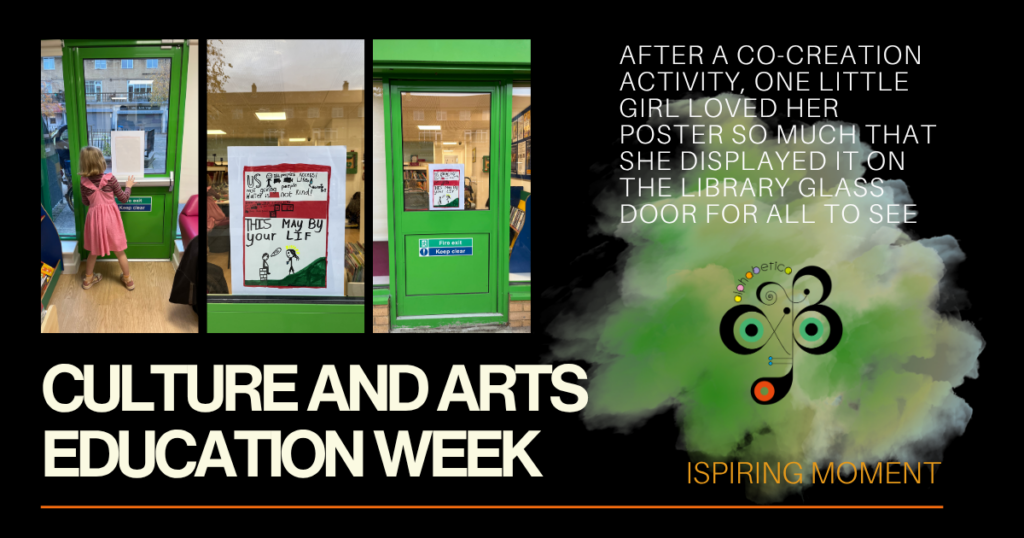
While facilitating a poster making workshop in a library with children and families about the things they most care about in the world, Kremena Dimitrova, the visual artist and researcher, was also discussing with the children what posters are, what their purpose is, and where they tend to be displayed. After co-creating her poster, with assistance from her family, one of the little girls loved it so much. On her own initiative, she took her poster and placed it on the library glass door for everyone to see. Everyone was impressed. Her action shows the pride, happiness, and confidence derived from her participation in these activities
Story 2
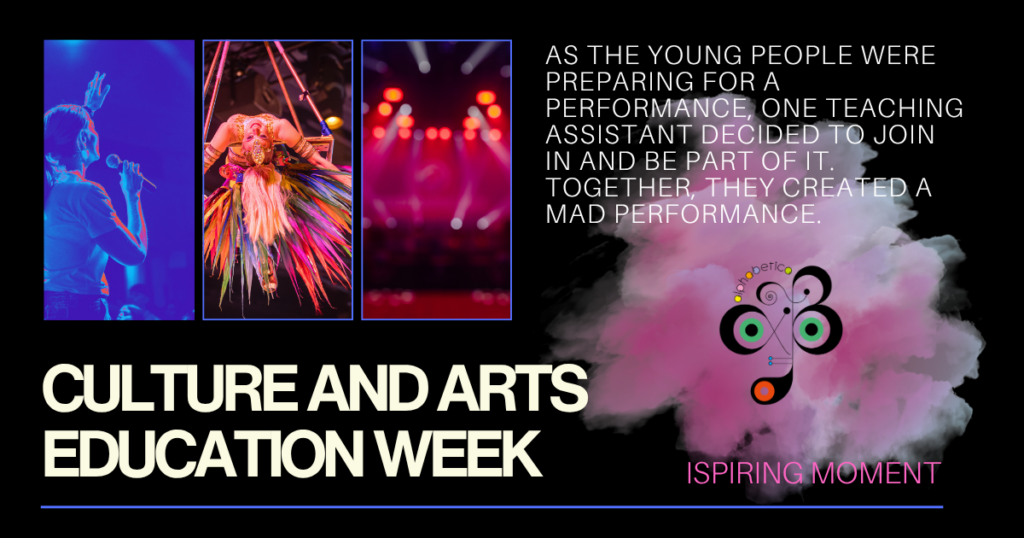
One of the most special moments for teachers enjoying an arts-based activity took place in a secondary school for pupils with special educational needs. The school had just started to re-engage with incorporating the arts into the curriculum. The pupils have teaching assistants to support them. As the young people were preparing for a performance, one teaching assistant decided to join in and be part of it too. Our researcher, Roxanne Korda, an opera singer by background, described how wonderful it was to see the teaching assistant join in with the young people. Together, they crafted and created this mad performance.
Story 3:
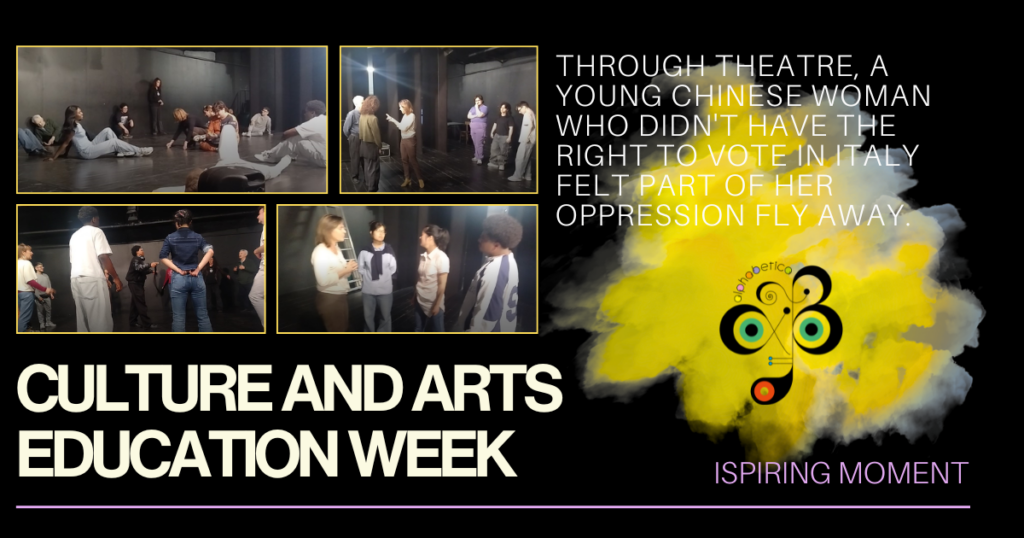
One of the most powerful outcomes of the BatS pilot was its positive effect on civic participation. Through theatre, participants found a space for expression and a sense of visibility, voice and belonging. Reflecting on Italy’s 25 April celebrations, one participant, a young Chinese woman, shared: “This is the first time I have felt the atmosphere of a discussion, even though I don’t have the right to vote here.” For her, the experience sparked confidence and connection, and she felt that ‘part of my oppression flew away’.
Story 4:
It was just a comment from a child. We were making masks at the time. They had visited a museum, where they had the opportunity to bring their celebrations and traditions into the school. The teachers told us that these children were very quiet. They weren’t very open. One of them told me, ‘This is the best activity I have ever done!’, which I found very meaningful. Usually, the celebrations proposed are linked to the school curriculum, such as Christmas and Halloween. However, as they engaged with this creative process, they realised that their own celebrations, rituals and beliefs could also have a place. It was very rewarding to watch it.